Canadian Pelvic Health OT Collective
JOIN THE
A national community advancing recognition, clarity, and confidence for OTs in pelvic health.
Pelvic health concerns are pervasive, life-altering, and deeply impactful to daily functioning, yet for years, Occupational Therapists across Canada have been told:
“OTs don’t do pelvic health.”
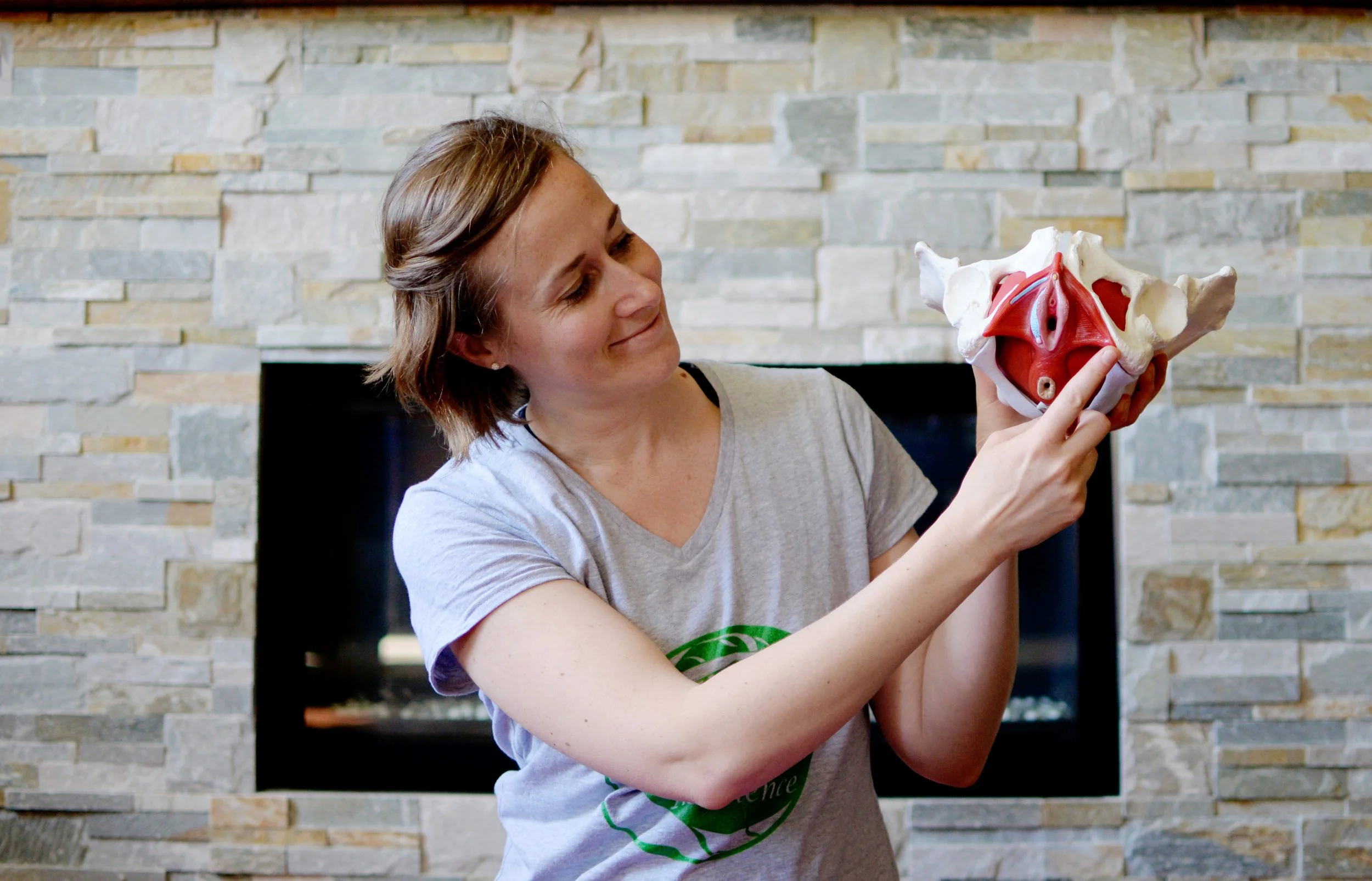
In 2016, when I was postpartum and navigating pelvic organ prolapse myself, that message echoed all around me. But nothing about the lived experience of pelvic health challenges aligned with that assertion. Pelvic health permeates identity, caregiving, work, movement, intimacy, daily routines, social participation, and the very sense of feeling at home in one’s body. How can we possibly assert that pelvic health has nothing to do with occupation?
The more I learned, the more undeniable it became:
OTs absolutely CAN do this work.
OTs absolutely SHOULD be doing this work.
And Canadians absolutely NEED us to.

So instead of accepting the old narrative, I asked a different question:

“Why not us?”

Why Pelvic Health Needs OT in Canada
Pelvic health conditions including urinary incontinence, pelvic organ prolapse, chronic pelvic pain, postpartum changes, and genitourinary symptoms of menopause are not rare, niche, or peripheral. They affect millions of Canadians and have profound functional consequences.
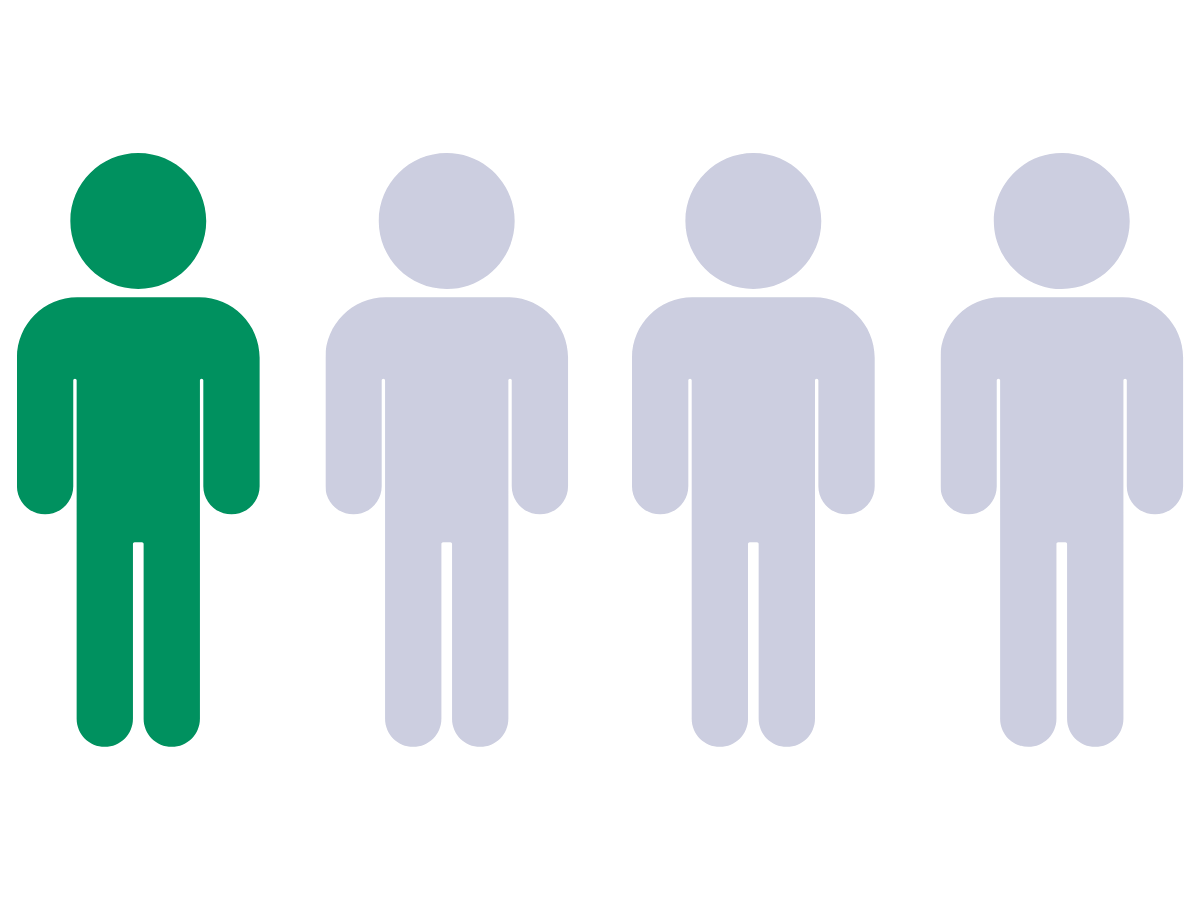
1 in 4 Canadians (25.9%) experience overactive bladder, stress urinary incontinence, or both*.
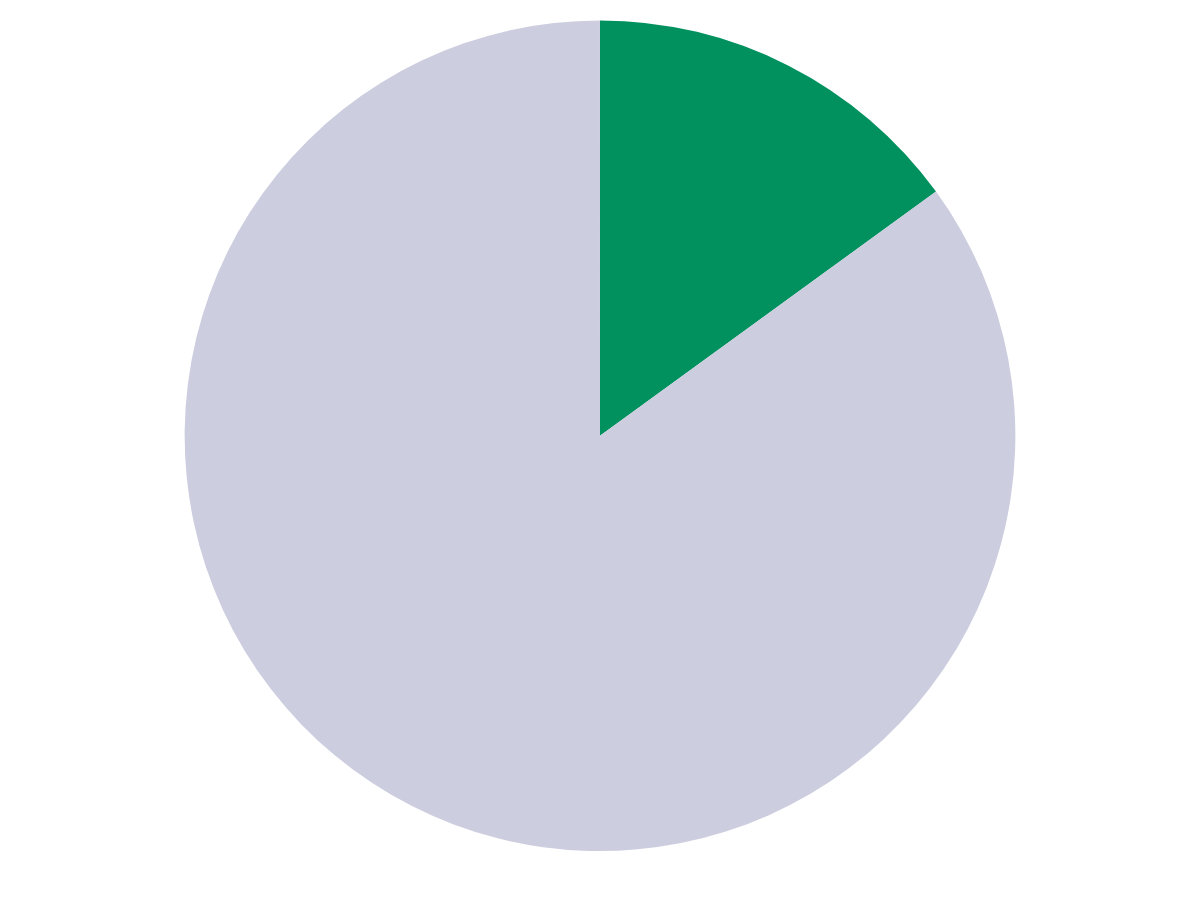
15% of Canadian women will require gynecologic surgery, with demand expected to rise by 35% by 2030 due to population aging**.
Women who require surgery for pelvic organ prolapse or urinary incontinence are some of the longest waiters for surgical intervention in Canada**.
Urinary incontinence is a leading cause of long-term care admission in Canada, disproportionately affecting women***.

Functional decline associated with pelvic health conditions includes decreased self esteem, increased social isolation, depression, and loss of meaningful roles and routines*****.

Unmanaged menopause symptoms cost the Canadian economy an estimated $3.5 billion annually, due to their effects on productivity, absenteeism, and healthcare usage****.
-
*Shaw C, Cahill J, Wagg A. The current state of continence in Canada: a population representative epidemiological survey. Can J Urol. These issues directly affect occupational engagement, making pelvic health an OT concern at its core.
**Ferguson S. Canadian women are waiting longer than ever for gynecologic surgery: Patients and providers are calling for action. Healthy Debate. Published January 8, 2024. Accessed June 1, 2025. (Link)
***Centre for Effective Practice. Urinary incontinence in women. Published February 2020. Accessed June 1, 2025. (Link)
****Menopause Foundation of Canada. Menopause and work in Canada report. Published October 16, 2023. Accessed June 1, 2025. (Link)
*****Pelvic Health Solutions. Facts and myths about pelvic floor dysfunction. Published September 26, 2019. Accessed June 1, 2025. (Link)
These issues directly affect occupational engagement, making pelvic health an OT concern at its core.
Occupational therapists are trained to address the intersection of body systems, daily routines, environments, trauma, values, nervous system function, and participation.
Whether supporting toileting confidence, navigating parenting with pelvic organ prolapse, rebuilding identity after pelvic surgery, or integrating psychological flexibility into chronic pelvic pain care, OT perspectives are essential.
The Gap & the Opportunity
Despite the clear relevance of pelvic health to occupational therapy, OT’s role in this domain has historically been underrecognized and undefined within Canadian healthcare structures.
This has limited:
client access to holistic, functional care
interprofessional understanding of what OT offers
OT confidence to inquire about or address pelvic health in our existing roles
academic and clinical training in pelvic health that reflects our scope
It’s time to change that.
And that’s exactly what the Canadian Pelvic Health OT Collective was created to do.
What is the Canadian Pelvic Health OT Collective?

We are a Canada-wide group of OTs practicing or interested in pelvic health who are committed to:
bringing visibility and recognition to OT’s contribution
supporting one another with practical tools and reflective spaces
ensuring Canadians receive whole-person, occupation-centered pelvic health care
engaging with professional associations to strengthen clarity and policy
shaping the future of the role of OT in pelvic health through collaboration and leadership
Learn, Connect, & Get Involved

Listen to the Conversation
Hear more about our journey, the gaps, our own obstacles to finding our footing in this space and the possibilities through our featured podcast episode with the Canadian Association of Occupational Therapists.

CAOT Position Statement on OT’s role in Pelvic Health
We are so proud of this work! Our Canadian Pelvic Health OT Task Force worked with CAOT for over a year to pull together resources, educate and create this statement designed to clarify and elevate the role of OT in pelvic health within the Canadian context! Check it out and share your thoughts!
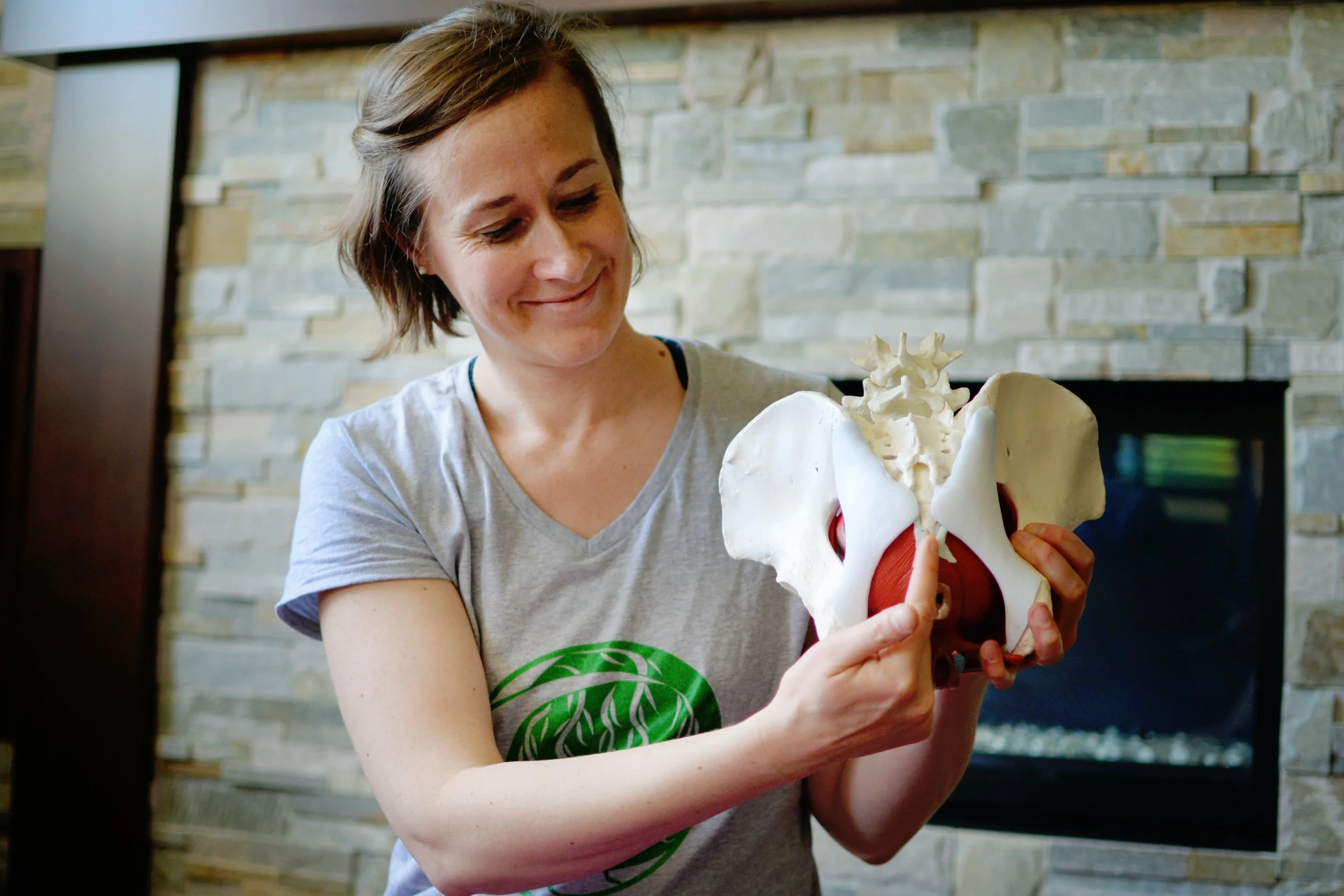
Learn With Me: Occupation-Based Approaches to Pelvic Health
Build the clarity, competence, and Canadian-context knowledge you need to integrate pelvic health safely and effectively into your practice.

Join the Canadian Pelvic Health OT Collective Email List
Become part of a growing national movement. You’ll receive:
updates on advocacy efforts
invitations to quarterly meetings coming Spring 2026
summaries and key takeaways
first access to new resources and tools
opportunities to get involved and contribute
Pelvic health OT in Canada is no longer an emerging idea: it’s a growing, collective effort. And every clinician who steps into this work strengthens the landscape of care for people navigating pelvic health challenges across the country.
Whether you’re already practicing in this area, curious about where to begin, or simply looking for a community that understands the complexity and meaning of this work, I’m glad you’re here.
Together, we’re building clarity, confidence, and capacity in a space where Canadians need us.
Whether your goal is to build a pelvic health caseload, weave pelvic health conversations into everyday OT practice, navigate complex pain presentations, or integrate psychotherapeutic approaches into the work that you do, you’re in the right place.
This is a community for clinicians who want to grow with intention, stay grounded in their values, and feel supported in the work that matters most.